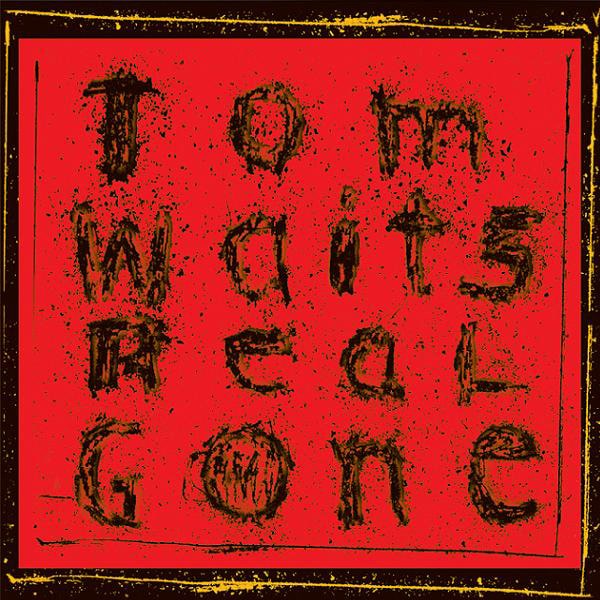


Musically, Real Gone is as eccentric and obtuse as ever: quite aside from Waits’s human beatboxing, the album features 11 minutes of muffled dub reggae (Sins of My Father) and a sort of Afrobeat sea-shanty (Hoist That Rag). Lyrically, however, it seems curiously direct. In the past, Waits has described his albums as “movies for the ears” – works of invention in which he inhabits purely fictional personas. On Real Gone, Waits’s language is as rich and strange as ever – he remains perhaps the only writer in rock who can send you scuttling for a dictionary without instilling in you a deep and profound desire to slap him – and there’s plenty of yarn-spinning on offer: on Circus alone, we come across characters called one-eyed Myra, Yodelling Elaine, Funeral Wells, Poodle Murphy, Mighty Tiny and Horse-Face Ethel and Her Marvellous Pigs in Satin. Frequently, however, the lyrics take on oddly contemporary resonances. Voices protest that they are merely obeying orders, or that God alone will judge their actions. Weapons keep cropping up, wielded by people who are hopelessly out of control (in Don’t Go Into That Barn, someone called Everett Lee goes on the rampage while sozzled “on potato and tulip wine”, something only a character in a Tom Waits song would ever consider tasting, let alone getting drunk on). Sins of My Father is not the first Waits lyric to mention gambling, but there are enough pointers in the imagery to ensure that the listener realises the game is taking place in Florida and the cards are marked with hanging chads. “Smack dab in the middle of a dirty lie, the star-spangled glitter of his one good eye,” growls Waits to one of several deceptively pretty melodies buried amid the chaos. “Everybody knows that the game was rigged, justice wears suspenders and a powdered wig”.
There is plenty that is remarkable about Real Gone. There are dense concoctions of unlikely musical influences. There is line after line of hugely entertaining opulent imagery. But most remarkable of all, there is the closing Day After Tomorrow, an unadorned song about a soldier writing home: “I’m not fighting for justice, I am not fighting for freedom, I am fighting for my life and another day in the world”. Its power comes not from sonic shock value nor pertinence to current events, but from its uncanny sense of timelessness: it sounds like it could have been written at any point in the past 50 years, without seeming in any way hackneyed, an incredible trick to pull off. As the song and the album ends, you are left more certain than ever that Tom Waits is entirely out on his own.